Skip to content
United States of America Coton de Tulear Club
USACTC, INC.
The Official
AKC Parent Breed Club
for the
Menu
Home
About
About USACTC
Constitution and Bylaws
Code of Ethics
A Member in Good Standing
About Rescue
About Puppy Mills
Services
Join Our Club
Membership Applications
Why a USACTC Breeder
Breeders Directory
Education
History of the Coton de Tulear
AKC Coton de Tulear Breed Standard
Judge’s Education
Grooming Your Coton
AKC Breed Rankings
Rankings
Conformation (All Breed)
Conformation (Breed)
Owner/Handler
Events
National Specialty
Specialty Archive
Awards & Winners
Award Announcement
Club Champions
Health
Our Recommended Health Tests
OFA Year End Health Report – Thru 2025
OFA
Contacts
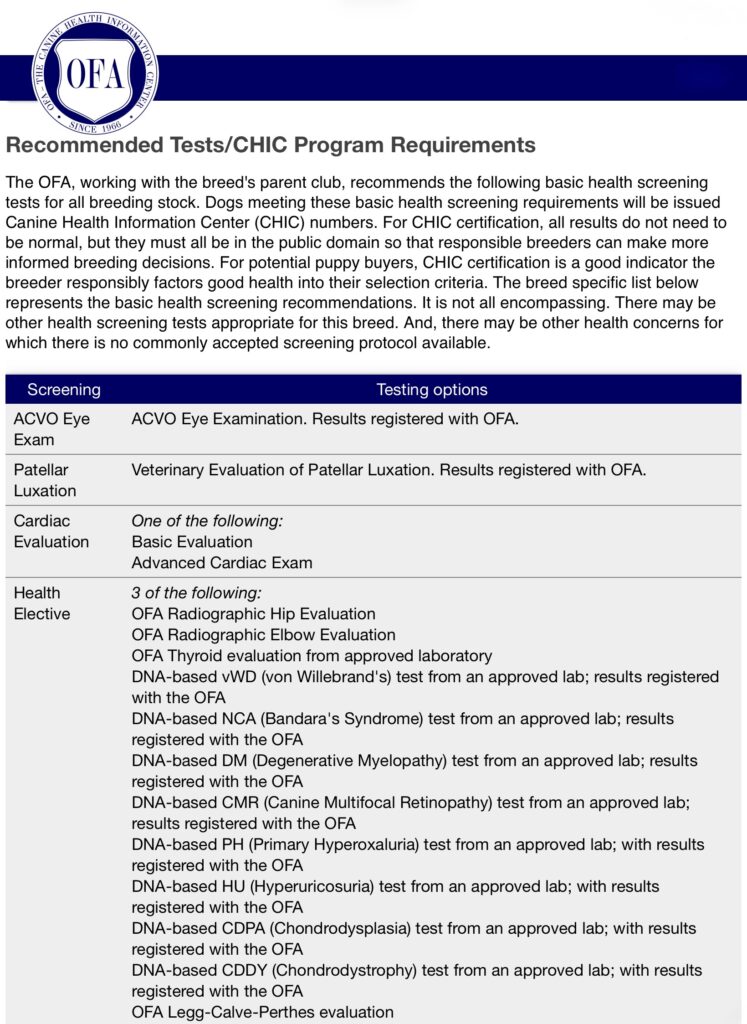
Our Recommended Health Tests
Home
About
About USACTC
Constitution and Bylaws
Code of Ethics
A Member in Good Standing
About Rescue
About Puppy Mills
Services
Join Our Club
Membership Applications
Why a USACTC Breeder
Breeders Directory
Education
History of the Coton de Tulear
AKC Coton de Tulear Breed Standard
Judge’s Education
Grooming Your Coton
AKC Breed Rankings
Rankings
Conformation (All Breed)
Conformation (Breed)
Owner/Handler
Events
National Specialty
Specialty Archive
Awards & Winners
Award Announcement
Club Champions
Health
Our Recommended Health Tests
OFA Year End Health Report – Thru 2025
OFA
Contacts
Close